What began as a passion project has evolved into something more. We’re proud of where we’ve been and even more excited for what’s ahead.
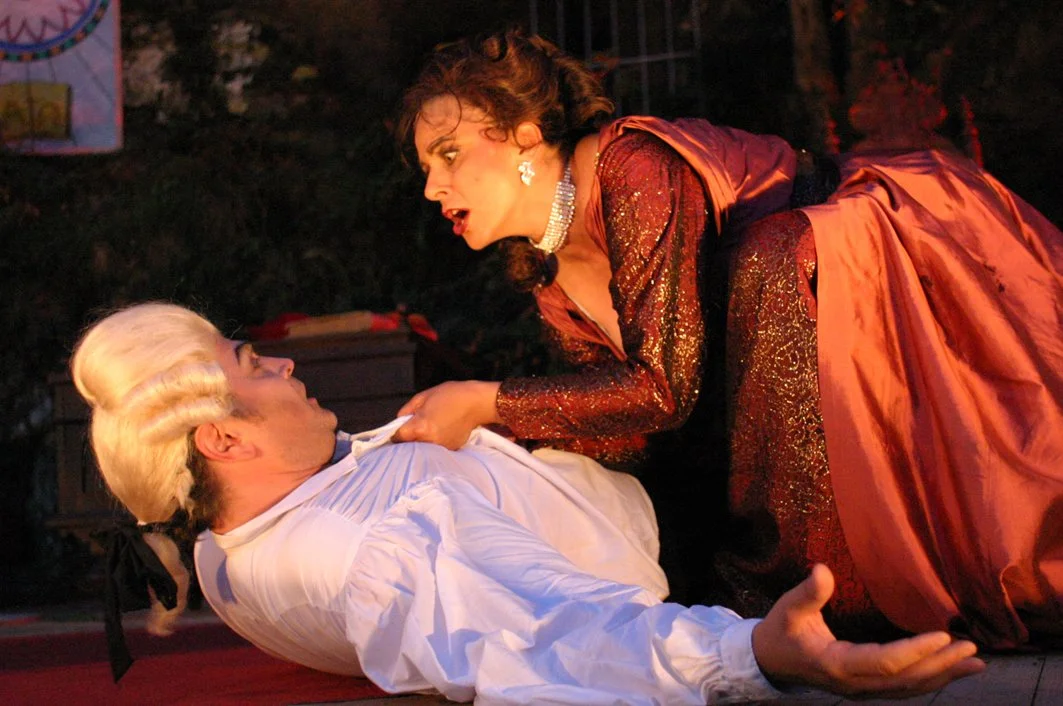
In August 2003, Romana Vaccaro sang Tosca for the first time in a production by L’Opera Piccola e. V. from Bad Schwalbach in Giacomo Puccini’s opera of the same name. Anew production of the opera “Tosca” featuring Romana Vaccaro was staged in 2004 at Eberbach Abbey to great acclaim.
In 2005, she appeared as Tosca at “Opera en el convento,” an opera festival on La Palma, Spain.
In 2005, she took on the role of Santuzza in “Cavalleria Rusticana” at the Gut Immling Opera Festival in Chiemgau.
In July 2006, Romana sang the title role in Carmen at the opening of the Wetzlar Festival and the role of Tosca at Braunfels Castle.
In June 2007, she sang Tosca at Château de Buc near Versailles.
In July 2007, she appeared at Braunfels Castle as Desdemona in “Otello” alongside Eduardo Villa (Otello). In August 2007, she made guest appearances as Tosca at the Dreieichenhain Castle Festival and at Limburg Abbey.
In August 2007, she sang the title role in “Carmen” at the amphitheater of Philippsruhe Castle in Hanau. In late August 2007, she sang the title role in “Tosca” in Dubrovnik with Boiko Zvetanov as Cavaradossi.
In 2011, she sang the role of Leonore in “Fidelio” at the Clingenburg Festival. In 2013, following her successes as Aida, Romana Vaccaro also sang the role of Amneris in the opera “Aida,” including at the Château Buc/Versailles Opera Festival, the Dreieichenhain Castle Festival, and before an audience of 1,600 at the Juchem Quarry in Niederwörresbach.
In 2016, at the age of 60, Romana Vaccaro sang the role she had made her own—Floria Tosca in Giacomo Puccini’s opera “Tosca”—two more times.
In March 2023, an anniversary concert was held for Romana Vaccaro as the first chairwoman of L’Opera Piccola e.V. and founder of the International Opera Academy to mark the association’s 20th anniversary.
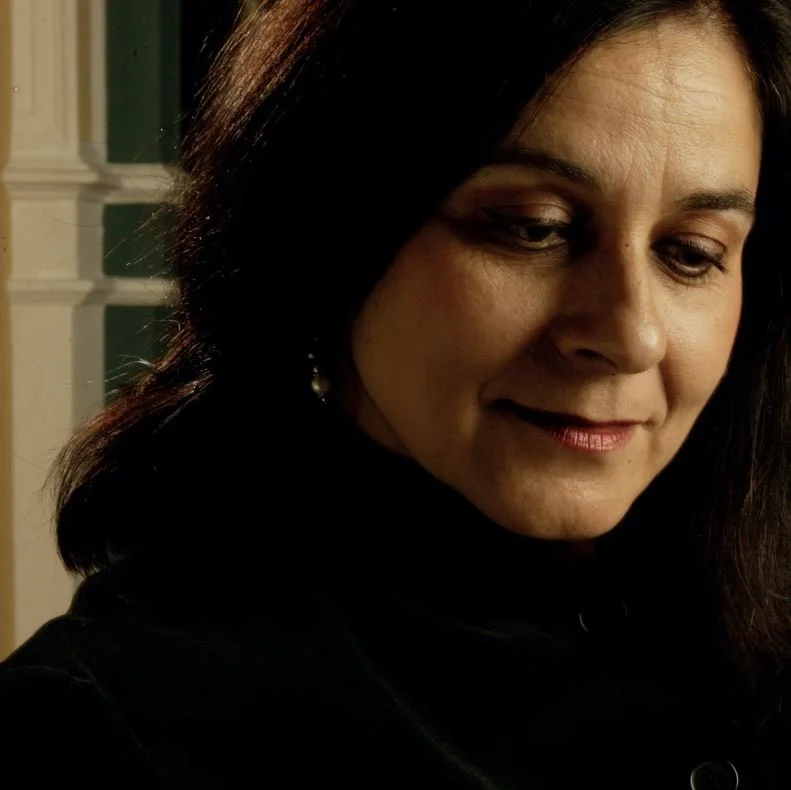
Romana Vaccaro
was born in Prague, and under her birth name, Romana Kahlerová, she won first prize twice at the national singing competition on Czechoslovak television. In Germany, she received private lessons from Eike Wilm Schulte and George-Emil
Crasnaru; this was followed by a master class with Josef Metternich and a scholarship from the Richard Wagner Association in Bayreuth.
In 1980, Romana fled communist Czechoslovakia and accepted a position as an alto at the Wiesbaden State Theater, where she was subsequently also cast as a mezzo-soprano in small to medium-sized solo roles; including performances as Lola in “Cavalleria rusticana,” as Anna in “Maria Stuarda,” as Giovanna in “Rigoletto,” as Agricola in “A Night in Venice,” and as a Lady-in-Waiting in “Macbeth.”
Beginning in 1985, she appeared as a soloist in numerous concerts and oratorios in the Rhine-Main region, including in George Frideric Handel’s “Messiah” and Gioacchino Rossini’s “Petite Messe solennelle.” During the 1990–91 season, she took on the role of the maid Glascha in “Katya Kabanova” at the Wiesbaden State Theater.
In 1995, she sang the mezzo-soprano part at the Chiesa di San Felice in Florence during the world premiere of Andrea Cavallari’s oratorio “Oratorio.”
In “Where the Wild Things Are” (premiere: June 1997) by Oliver Knussen, she sang the role of the Mother at the Staatstheater Wiesbaden. In 1996, she sang Angelina in “La Cenerentola” at the Frankfurt Chamber Opera—followed by Dorabella in “Così fan tutte.”
In 1998, Romana Vaccaro sang one of her favorite roles, Santuzza in “Cavalleria rusticana,” to great acclaim at the National Theater of Romania in Constanța.
In 1999, she made a guest appearance as Fenena in “Nabucco” at the Heidenheim Opera Festival, and in 2002 she sang the role of Maddalena in “Rigoletto”.
From 2000 to 2003, she performed in concerts with the Johann Strauss Orchestra Frankfurt, which also operates under the name Frankfurter Sinfoniker. During this time, she transitioned to the dramatic soprano repertoire.